every major cable-news producer in America had already seen it at least three times.
By 7:00 a.m., political influencers were calling it “the start of another international media war.”
And by lunchtime, the phrase “Obama-era Iran deal” had once again detonated across the American political landscape like a flashback nobody expected to revisit so aggressively.
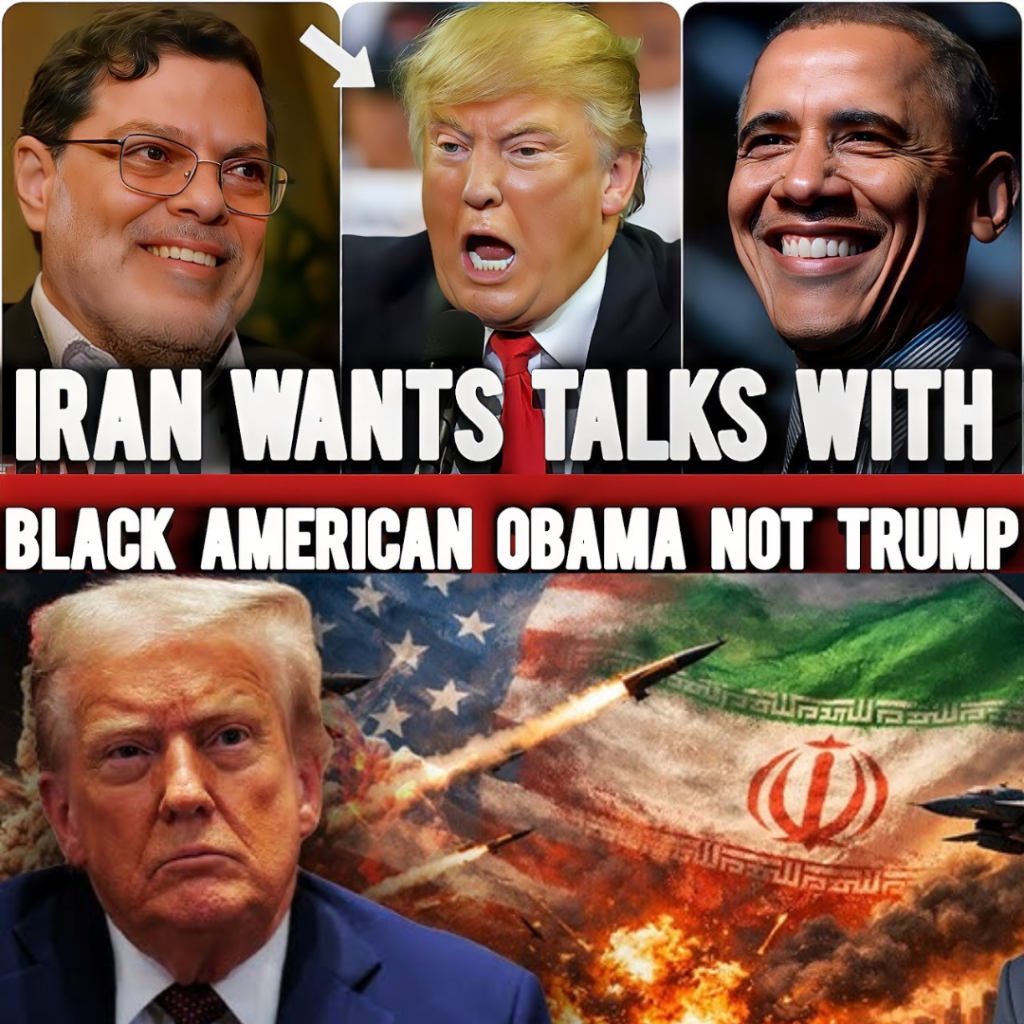
The chaos began during a tense foreign-policy discussion broadcast live from Washington the previous evening. What started as a routine segment about global diplomacy suddenly transformed into a full-scale political firestorm after several analysts began comparing current Middle East tensions to negotiations that dominated headlines during Barack Obama’s presidency.
Within minutes, Donald Trump’s name entered the conversation.
That was when everything exploded.
Inside television studios across New York and Washington, producers scrambled to update graphics while anchors interrupted scheduled programming to pivot toward the rapidly escalating controversy. On social media, clips from the discussion spread with astonishing speed as users argued nonstop over whether Obama’s diplomatic strategy had ultimately strengthened or weakened America’s position overseas.
Then Trump reacted.
And the internet lost its mind.
The former president reportedly watched portions of the coverage from Florida late Tuesday evening while advisers nearby monitored social-media reactions in real time. According to several political insiders, frustration inside Trump’s orbit grew quickly as more commentators revived comparisons between Trump-era foreign policy and the Obama administration’s original nuclear negotiations.
One longtime political strategist described the atmosphere bluntly.
“Trump hates losing control of the narrative,” the strategist said. “And suddenly the narrative belonged to Obama again.”
By midnight, the story dominated online conversation completely.
#ObamaIranDeal
#TrumpReaction
#ForeignPolicyWar
#PoliticalMeltdown
The hashtags surged worldwide within hours.
TikTok creators uploaded dramatic edits featuring clips of Obama discussing diplomacy alongside footage from Trump rallies and cable-news panels. YouTube streamers launched emergency broadcasts with titles like:
“THE IRAN DEAL DEBATE RETURNS!”
“TRUMP WORLD IN PANIC?”
“OBAMA BACK IN THE HEADLINES!”
The frenzy became impossible to contain.
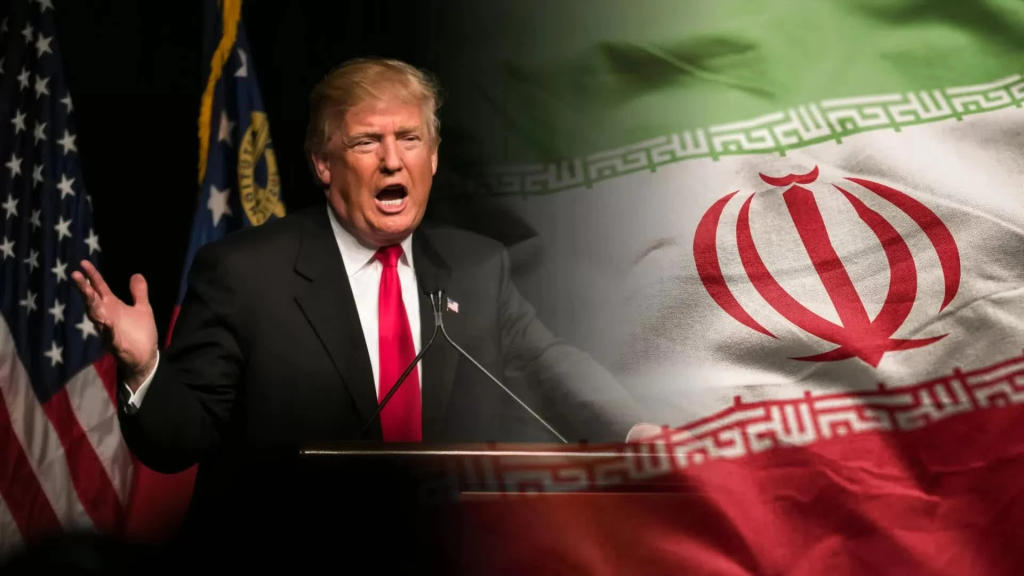
At approximately 12:40 a.m., Trump appeared to respond indirectly through a fiery social-media post criticizing “weak leadership,” “terrible negotiations,” and “media people trying to rewrite history.”
He never mentioned Obama directly.
Nobody believed that mattered.
Cable-news networks immediately displayed the post on giant screens while political commentators shouted over one another trying to decode its meaning.
One anchor called the reaction “a political pressure cooker exploding in real time.”
Another described the situation as “Obama and Trump fighting through television screens again.”
Inside conservative media circles, reactions became deeply divided.
Some commentators defended Trump aggressively, insisting Obama-era diplomacy represented weakness on the world stage.
Others privately admitted the renewed comparisons created uncomfortable optics at a moment when international tensions already dominated headlines.
One Republican strategist speaking anonymously later summarized the problem.
“The second Obama enters the conversation,” he said, “everything becomes emotional again.”
That emotional energy fueled the media frenzy nonstop throughout the following morning.
Outside network headquarters in Manhattan, reporters delivered live updates beneath flashing studio lights while giant digital billboards displayed breaking-news banners referencing the growing political fight.
Inside coffee shops across Washington, televisions replayed the same clips repeatedly while journalists, congressional aides, and consultants argued over diplomatic history before breakfast.
At airports, travelers stopped beside television screens.
On Wall Street, traders joked about the political drama while still watching coverage themselves.
The line between global diplomacy and entertainment had nearly vanished completely.
Meanwhile, Barack Obama remained publicly silent.
That silence somehow intensified the chaos even more.
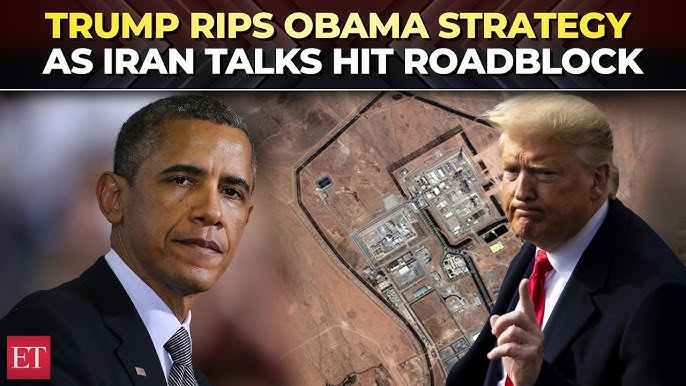
Commentators debated whether Obama would eventually respond.
Social-media users interpreted old speeches as hidden messages.
Political influencers analyzed facial expressions from years-old summit footage like investigators studying evidence in a courtroom thriller.
The internet became a nonstop conspiracy board powered entirely by political nostalgia and modern outrage culture.
Then another major moment reignited everything.
Around 10:15 a.m., MSNBC aired a panel discussion examining the long-term impact of Obama-era negotiations with Iran and whether current geopolitical tensions reflected unfinished consequences from past administrations.
During the segment, one former diplomat calmly remarked:
“History tends to revisit unresolved arguments.”
That sentence exploded online instantly.
Within minutes, users transformed it into memes, dramatic quote graphics, and viral edits layered over cinematic music.
Late-night comedy writers reportedly added emergency segments about the controversy before lunchtime.
One comedian joked:
“We’ve officially entered the cinematic universe of recycled political arguments.”
The audience roared with laughter.
But beneath the comedy, political insiders recognized something much larger unfolding.
The debate was no longer just about diplomacy.
It was about legacy.
Power.
Narrative control.
And the strange way American politics kept dragging old rivalries back into the spotlight whenever global tensions resurfaced.
At approximately 1:30 p.m., Trump spoke briefly to reporters outside a campaign-related event in Florida.
Cameras surged forward instantly.
One reporter shouted:
“Mr. Trump, do you think the Obama administration’s Iran strategy is being rehabilitated by the media?”
Trump stopped walking.
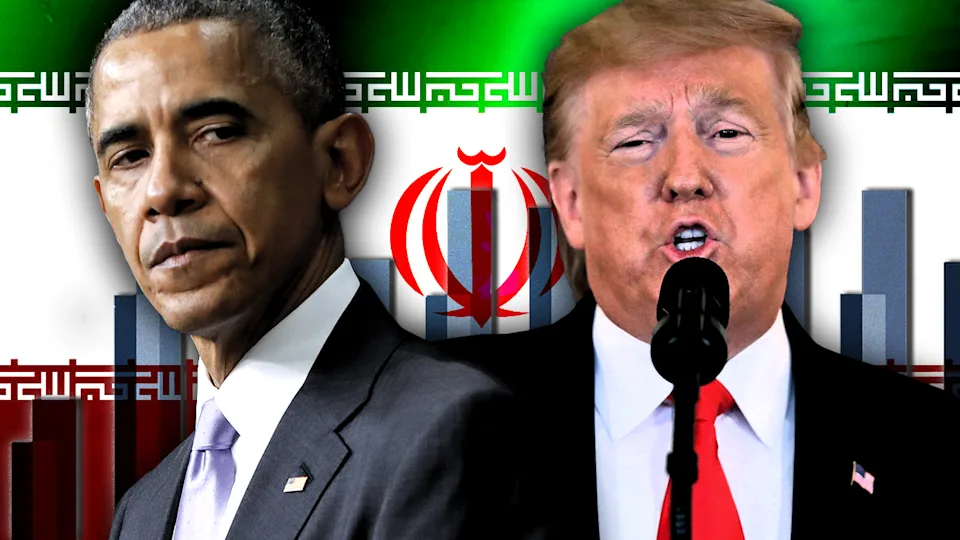
The atmosphere became electric immediately.
“What the media does best,” he said sharply, “is pretend disasters were successes. Everybody remembers what happened. Everybody.”
Then he pointed toward reporters standing behind barricades.
“And frankly, people trust you less every day.”
The clip detonated online within minutes.
Supporters praised Trump’s aggressive tone.
Critics accused him of redirecting attention instead of addressing the actual diplomatic debate.
Cable-news networks replayed the footage nonstop all afternoon.
By evening, the controversy had fully consumed political media.
CNN panels argued over the long-term impact of sanctions and negotiation strategy.
Fox News commentators criticized Obama-era diplomacy while defending Trump’s harder-line approach.
MSNBC hosts debated whether America’s foreign-policy divisions had become inseparable from personality politics.
Every network framed the story differently.
But all of them kept covering it.
Because audiences couldn’t stop watching.
That was the real engine behind the entire spectacle.
Not policy papers.
Not treaties.
Not complex geopolitical analysis.
Emotion.
Conflict.
Familiar political rivals colliding once again across television screens while millions refreshed their phones searching for the next viral moment.
By nighttime, social media had transformed the diplomatic debate into pure entertainment culture.
TikTok creators edited dramatic “Obama vs Trump” montages like movie trailers.
Podcast hosts uploaded multi-hour episodes dissecting foreign-policy history with the intensity of sports commentators breaking down championship rivalries.
Influencers framed ordinary diplomatic disagreements like scenes from a political thriller.
Even people with little interest in international policy became emotionally invested in the spectacle itself.
Because the story had evolved far beyond Iran.
It became another chapter in the endless Obama-versus-Trump narrative that had dominated American political culture for years.
Late that evening, a former White House communications staffer appeared on a primetime panel and summarized the situation with visible exhaustion.
“We keep reliving the same political battles,” he said. “Different headlines. Same emotional war.”
The statement resonated instantly online.
Millions shared the clip.
Comment sections exploded.
Some users blamed media outrage culture.
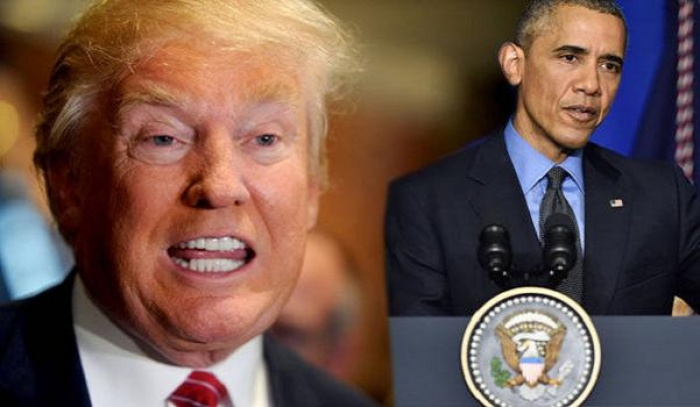
Others argued America itself had become addicted to political drama.
Maybe both were true.
Meanwhile, inside newsrooms across Manhattan and Washington, producers prepared for another full day of coverage despite quietly acknowledging little new information had actually emerged.
That hardly mattered anymore.
The spectacle had become self-sustaining.
Every reaction created another reaction.
Every clip created another debate.
Every political statement generated another media explosion.
And somewhere beneath all the noise, diplomacy itself almost disappeared entirely.
Near midnight, one exhausted foreign-policy analyst stepped outside a Washington studio after finishing his fourth television appearance of the day.
Rain fell softly across empty streets while satellite trucks hummed nearby beneath glowing city lights.
The analyst looked toward the cameras still broadcasting live updates and shook his head slowly.
“You know what’s amazing?” he said quietly.
“Most people arguing online tonight probably haven’t read a single page of the actual agreement.”
Then he laughed.
Not because it was funny.
Because in modern political media, spectacle always moved faster than substance.
And once again, America couldn’t stop watching.
