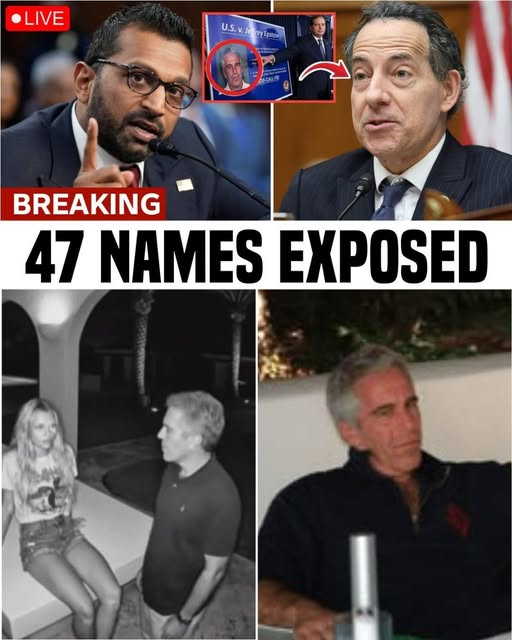
1. The Capitol Hill Showdown
The hearing before the House and Senate Judiciary Committees rapidly turned into a political battlefield. Lawmakers from the opposition aggressively confronted Patel, creating what observers described as a “meltdown” atmosphere. The questioning focused heavily on accusations that Patel is weaponizing the FBI to serve partisan interests and carry out political retribution against career government officials.
2. Invoking the Fifth Amendment
A major point of conflict in the article is the scrutiny over Patel’s past legal strategy. During the Department of Justice’s federal grand jury investigation into Donald Trump’s handling of classified documents, Patel famously invoked his Fifth Amendment rights against self-incrimination. He refused to answer questions until the government granted him “testimonial immunity.” Lawmakers used this during the hearing to question his integrity, pointing out the irony of the nation’s top law enforcement official having previously used constitutional protections to avoid testifying in a federal crime probe.
3. The Clashes Over Jeffrey Epstein’s Files
The temperature in the room spiked when lawmakers pressed Patel on the absolute transparency of the Jeffrey Epstein files. Lawmakers brought up Patel’s previous public statements where he claimed to have knowledge of Epstein’s infamous “black book” and client lists. They demanded to know why these files have not been fully released to the public. Patel countered by stating that the FBI would release all records, provided they are not legally sealed or restricted by active court orders.
4. Purges and the “Enemies List”
The article details heavy criticism regarding Patel’s book, Government Gangsters. Opponents accused him of using the book as a literal “enemies list” to systematically fire and purge career FBI agents—specifically targeting those who walked the line in investigating the January 6 Capitol riot. Patel strongly pushed back against these allegations, maintaining that any administrative changes or terminations within the bureau are based strictly on performance, accountability, and reform, rather than political bias.
