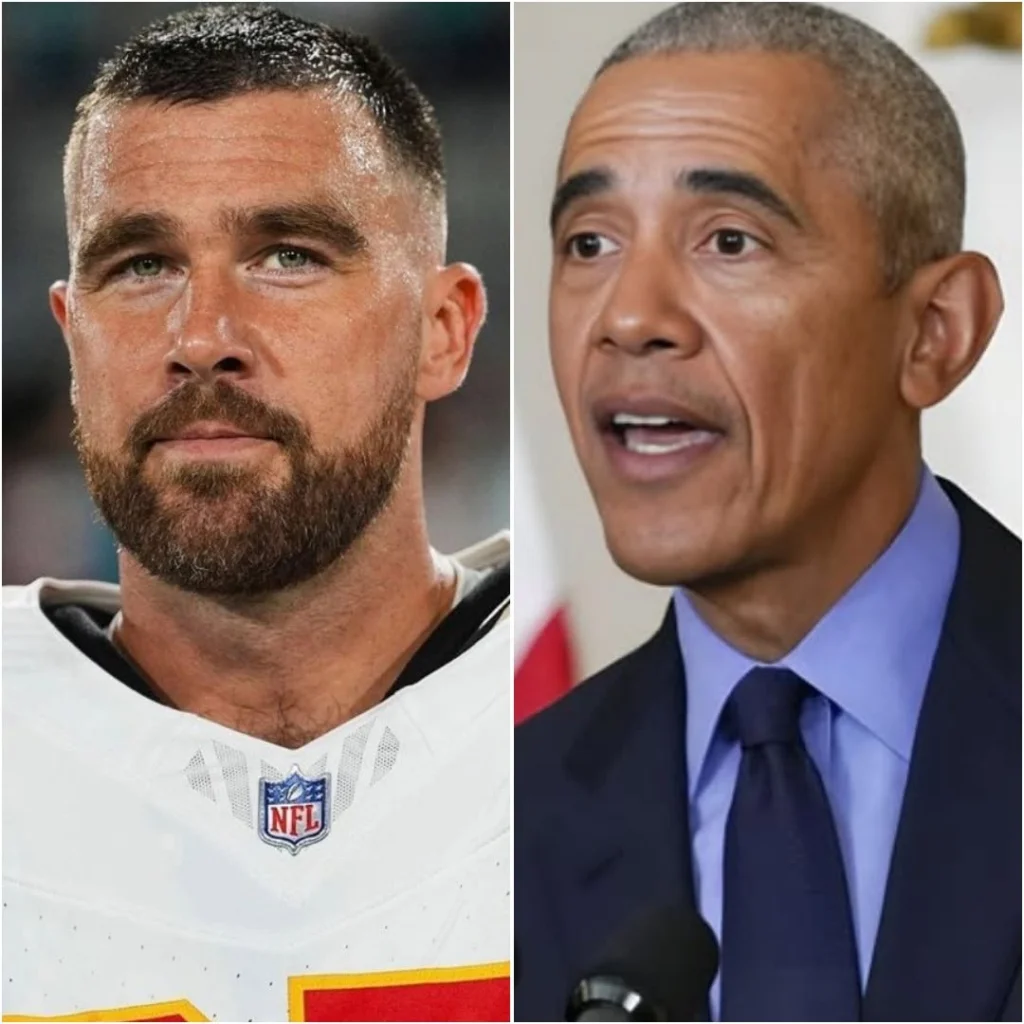
When an Athlete’s Influence Becomes Bigger Than the Game
For generations, professional athletes have been measured by what they accomplish under bright stadium lights. Their careers are defined by championships, statistics, records, and unforgettable performances that become part of sports history. Fans remember the moments when they scored the winning touchdown, made the impossible catch, or carried their team through the pressure of the biggest games.
But there is another measure of greatness that exists far away from the scoreboard. It is found in the choices athletes make when nobody is watching. It appears in the communities they support, the people they help, and the causes they choose to stand behind. In recent years, more athletes have recognized that their influence extends far beyond the field.
Travis Kelce has become one of the most recognizable athletes of his generation. Known for his extraordinary career as an NFL tight end, his competitive personality, and his ability to perform in the biggest moments, Kelce has built a reputation as someone who thrives under pressure. His career has been defined by confidence, determination, and a relentless desire to succeed.
Yet the public conversation around athletes like Kelce has increasingly expanded beyond football. Fans and communities often look at what successful individuals do with their platforms. The question is no longer only about how many games someone wins, but what kind of impact they leave behind.
The idea that greatness can be measured through service has become one of the most powerful themes in modern sports culture.
The Hidden Side of Success: Remembering the People Behind the Numbers
Professional athletes often live in a world of extraordinary attention. Every game is analyzed, every decision is discussed, and every performance becomes part of a larger public story. The pressure to succeed is enormous, but so is the opportunity to create positive change.
Many athletes have discovered that their greatest impact may come away from competition. Through charitable foundations, community programs, and personal acts of generosity, they have used their success to support people facing difficult circumstances.
Food insecurity remains one of the most emotional challenges affecting communities across America. Behind every statistic are families making impossible decisions, parents trying to provide for children, and individuals working hard while still struggling to meet basic needs.
When public figures become involved in these issues, the impact can extend beyond financial support. Their involvement can bring attention to problems that often remain invisible. A famous athlete speaking about hunger can encourage conversations that reach millions of people.
The most meaningful acts of generosity are often not the ones performed in front of cameras. They are the moments when someone chooses to help because they believe it is the right thing to do.
The Connection Between Sports and Community Responsibility
Sports have always represented more than competition. They bring people together, create shared memories, and often reflect the values communities admire. Athletes become symbols because fans see them not only as performers but as representatives of something larger.
A player’s influence can inspire young people, support families, and encourage others to contribute. This is why charitable efforts by athletes often receive such strong reactions. People understand that the impact is not only about money. It is about using success to create opportunities for others.
Travis Kelce’s public image has been shaped by both his athletic achievements and his personality. He has become known for his passion, energy, and emotional connection with fans. Those qualities have helped him build a platform that reaches far beyond football.
The transition from athlete to community leader is not automatic. It requires intentional choices. Some athletes decide to focus only on their careers, while others believe their position gives them a responsibility to help address challenges beyond sports.
This conversation reflects a larger shift in how society views successful people. Accomplishment is increasingly connected not only to personal achievement but to contribution.

The Quiet Power of Helping Without Seeking Attention
One of the most respected forms of generosity is the kind that does not seek recognition. Throughout history, some of the most meaningful acts of kindness have happened away from public attention.
The reason these moments resonate is simple: they appear to come from genuine concern rather than a desire for praise. When someone helps others without expecting applause, the action carries a different emotional weight.
Many charitable leaders and community organizers emphasize that real change often happens through consistent effort rather than one dramatic moment. Supporting families, funding programs, and helping communities requires long-term commitment.
For athletes, this can be especially meaningful because their public careers are often built around attention. Every game is recorded, every achievement is celebrated, and every mistake is analyzed. Choosing moments of humility can remind people that behind the fame is a person capable of compassion.
The strongest examples of leadership are often found in simple decisions: noticing a problem, understanding someone’s struggle, and deciding to help.
Why Public Figures Inspire Larger Conversations About Giving
When a famous person supports a cause, the immediate impact may be financial, but the broader effect can be cultural. Their actions can encourage others to think about what they can do within their own communities.
Not everyone has the resources of a professional athlete or celebrity. But generosity does not always require extraordinary wealth. It can appear through volunteering, supporting neighbors, donating time, or simply paying attention to people who are struggling.
The stories of successful individuals helping others often become powerful because they challenge the idea that achievement is only about personal success. They suggest that the true value of success comes from how it is used.
Athletes especially have a unique connection with fans. Young people often look up to them as examples of determination and discipline. When athletes demonstrate compassion, they provide another lesson beyond sports skills.
They show that character matters.
They show that leadership is not only about winning.
It is also about responsibility.

The Legacy of an Athlete Beyond Championships
Championships are remembered. Records are celebrated. Awards are displayed. But the lasting legacy of a person is often determined by moments that cannot be measured statistically.
A career can be filled with victories, but the way someone treats others often becomes the part people remember most.
For athletes like Travis Kelce, the public conversation around legacy extends beyond football achievements. Fans may remember the incredible plays and dramatic victories, but they may also remember moments when an athlete used success to make a difference.
This does not mean athletes are expected to solve every problem in society. No individual can eliminate challenges as complex as hunger or economic hardship. But influential people can help create awareness and encourage collective action.
The greatest athletes throughout history have often been remembered for more than their performances. They are remembered because they represented something meaningful.
They became examples of what people could achieve — and what they could give back.
The Final Measure of Greatness
At the highest levels of success, people often have a choice. They can focus entirely on what they have achieved, or they can consider how their achievements can benefit others.
The story surrounding Travis Kelce and charitable efforts connected to hunger represents a broader conversation about the role of influence in modern society. It asks an important question: what should people do when they have the ability to help?
The answer is different for everyone. Some choose to support communities quietly. Others use their public platforms to raise awareness. Some dedicate time, others provide resources. But the common thread is the recognition that success carries an opportunity to create positive change.
Sports may create heroes through competition, but communities often create legends through compassion.
The cheers inside stadiums eventually fade. Records are eventually broken. New champions eventually take the spotlight.
But the moments when someone chooses to lift others can last much longer.
Because in the end, the greatest measure of any person is not only how high they rise.
It is how many people they help rise with them.
