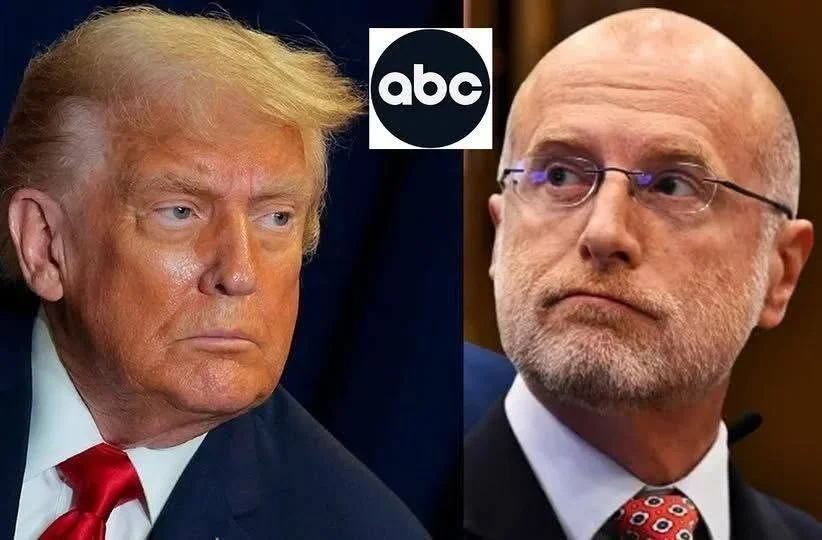
THE LEGAL FIGHT THAT COULD RESHAPE THE FUTURE OF AMERICAN MEDIA
A major legal battle is unfolding between ABC and the Federal Communications Commission over one of the most fundamental questions in American democracy: how much power should the government have over the voices that appear on television? What began as a dispute involving programming decisions has now expanded into a broader constitutional fight over free speech, political influence, and whether federal regulators can pressure media organizations because of the viewpoints they express.
ABC has taken an aggressive legal position, arguing that actions by the FCC create what lawyers describe as a “chilling effect” on speech. The network’s position is that government agencies should not be able to use regulatory authority as a tool to punish or intimidate media organizations based on political content. According to ABC’s legal arguments, the issue is not simply about one television program or one regulatory decision, but about the larger principle that government cannot favor or punish speech because officials disagree with its message.
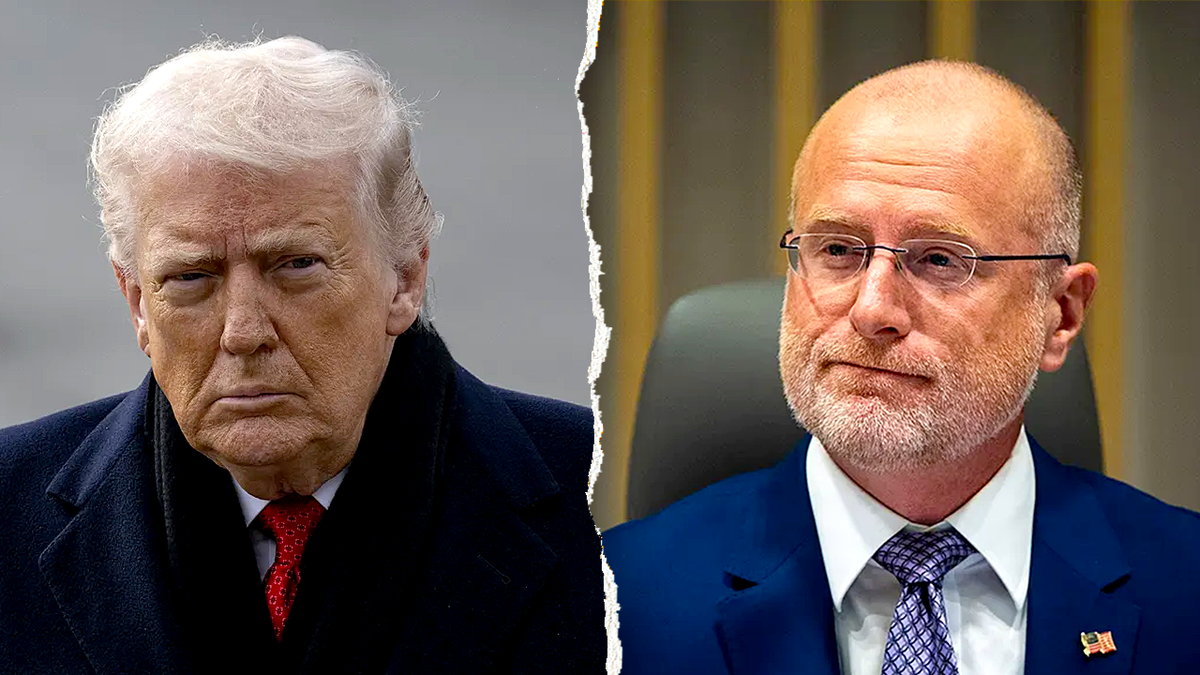
The filing represents a significant escalation in the conflict. ABC has brought in Paul Clement, a highly respected Supreme Court litigator and former solicitor general during the George W. Bush administration, signaling that the company views the dispute as a major constitutional issue rather than a routine regulatory disagreement. His involvement suggests that ABC is preparing for a potentially long legal battle that could eventually reach the nation’s highest court.
The case arrives at a time when tensions between political leaders and media organizations have reached historic levels. Across the political spectrum, accusations of media bias have become common, but the question of whether government officials can directly influence or pressure broadcasters raises a much more serious constitutional concern.
FROM REGULATORY DISPUTE TO CONSTITUTIONAL SHOWDOWN
At the center of the dispute is the relationship between the FCC and ABC programming, including the long-running daytime talk show “The View.” The program has frequently featured political discussions and commentary, often attracting controversy because of its outspoken opinions on current events and public figures.
ABC argues that the FCC’s actions represent an unusual intervention into protected expression. The network’s legal team claims that regulators cannot create different standards for media organizations simply because some officials dislike the opinions being expressed. According to ABC, government oversight must be applied neutrally rather than becoming a mechanism for targeting criticism.
The network’s argument focuses heavily on the First Amendment, which protects freedom of speech and prevents the government from suppressing expression based on viewpoint. ABC argues that allowing regulators to threaten or investigate media organizations because of political disagreement would create a dangerous precedent.
The constitutional issue is especially significant because broadcasters operate under FCC oversight through licensing rules. The government has long maintained authority over certain aspects of broadcast regulation, but the First Amendment places limits on how that authority can be used. The challenge is determining where legitimate regulation ends and unconstitutional pressure begins.
THE ROLE OF PAUL CLEMENT AND WHY HIS INVOLVEMENT MATTERS
The decision to bring Paul Clement into the legal fight has drawn attention throughout the legal community. Clement is widely regarded as one of the most experienced Supreme Court advocates in the United States, having argued numerous cases before the justices and previously serving as solicitor general.
His involvement signals that ABC believes the dispute raises questions far beyond ordinary business concerns. A company facing a regulatory disagreement might normally attempt negotiation or administrative solutions. Instead, ABC has chosen a constitutional defense that places free speech at the center of the argument.
Clement’s legal strategy is expected to focus on whether government officials crossed constitutional boundaries by using regulatory authority in response to political disagreement. The argument is that even indirect pressure from government agencies can influence speech if organizations fear punishment for expressing certain viewpoints.
This concept, known as a chilling effect, has been central to many First Amendment cases throughout American history. Courts have repeatedly recognized that government actions do not always need to directly ban speech to create constitutional concerns. Sometimes the threat of investigation, punishment, or retaliation can be enough to discourage protected expression.

THE ACCUSATIONS OF POLITICAL TARGETING
One of the strongest arguments made by ABC is that the FCC’s actions appear politically selective. The network claims that regulators have focused attention on programs critical of Donald Trump while not applying the same level of scrutiny to media voices that support him.
According to ABC’s filing, the concern is not simply that a government agency reviewed a broadcast issue. The concern is whether the government is creating different rules depending on whether the speech aligns with political preferences. ABC argues that viewpoint discrimination is exactly what the First Amendment was designed to prevent.
The debate has become part of a larger national argument over media fairness. Conservative critics have long accused major networks of political bias, while liberal critics have argued that government pressure against critical media represents a threat to democratic accountability.
The challenge for regulators is maintaining public trust while enforcing legitimate standards. Government agencies have authority to oversee certain industries, but that authority becomes controversial when enforcement decisions appear connected to political disagreements.
THE BROADER HISTORY OF GOVERNMENT AND MEDIA CONFLICTS
The relationship between American presidents and the media has always been complicated. Leaders from both political parties have criticized journalists and broadcasters they believed treated them unfairly. However, the First Amendment was created in part because the founders feared government power being used to silence criticism.
Throughout American history, journalists and media organizations have played a central role in challenging government actions and exposing controversial decisions. Many landmark investigations and public debates depended on the ability of media outlets to criticize powerful officials without fear of retaliation.
That does not mean media organizations are free from criticism. Private companies can be challenged over accuracy, ethics, and editorial choices. But the constitutional question changes when government officials become involved in deciding which viewpoints deserve punishment or protection.
The ABC-FCC dispute therefore touches on a principle that extends beyond any single administration. A government powerful enough to punish one side of the media landscape could eventually be used against another side when political power changes hands.

THE WARNING FROM BOTH SIDES OF THE POLITICAL SPECTRUM
Interestingly, concerns about government control over speech have not been limited to one political party. Even some conservative lawmakers have warned about the dangers of allowing administrations to use regulatory agencies against political opponents.
Senator Ted Cruz, a Republican from Texas, has previously expressed concerns about viewpoint discrimination by government agencies, arguing that allowing one political party to use regulatory power against opponents could create a precedent that future administrations might also use.
This argument reflects a broader constitutional concern: government power often changes hands. Actions that seem beneficial when used against political opponents can become dangerous when the same authority is later controlled by someone with different views.
For supporters of ABC’s legal challenge, this is the central issue. They argue that protecting free speech requires protecting speech that many people dislike. The First Amendment is not designed only for popular opinions; it exists specifically to protect controversial, unpopular, and critical viewpoints.
THE FUTURE OF FREE SPEECH IN THE DIGITAL AND POLITICAL AGE
The battle between ABC and the FCC is part of a much larger national conversation about the future of media and free expression. In an era where political divisions are stronger than ever, questions about who controls information have become increasingly important.
The rise of social media, online platforms, streaming services, and independent journalism has transformed how Americans receive news and opinions. Traditional broadcasters no longer hold the same monopoly over public conversation, but they remain powerful institutions capable of influencing national debates.
As technology continues to change, the balance between regulation and free expression will become even more complicated. Governments have legitimate responsibilities, including enforcing laws and maintaining standards. But those responsibilities must exist alongside constitutional protections designed to prevent government overreach.
The outcome of ABC’s legal battle could have consequences far beyond one network or one television show. It could influence how future administrations interact with media organizations and how courts interpret the boundaries between regulation and censorship.
At its deepest level, the dispute is about a simple but powerful idea: a free society depends on the ability of people to speak, criticize, question, and challenge those in power.
The voices people agree with are easy to defend. The true test of freedom comes when the voices are uncomfortable, unpopular, or critical.
That is the principle at the heart of the First Amendment — and the reason this legal battle has captured national attention.
