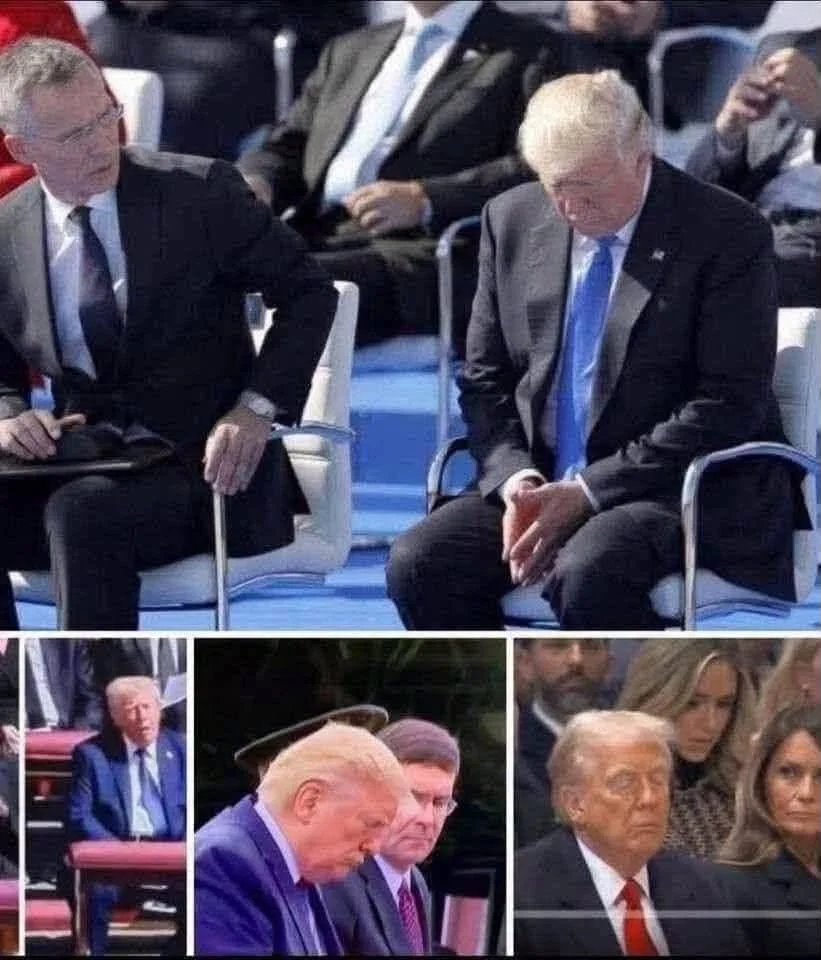
A Presidency Unlike Any Other
Few political figures in modern American history have generated as much debate, controversy, and public attention as Donald Trump. From the moment he entered national politics, his career has been defined by intense support from millions of Americans and equally intense criticism from millions of others. His presidency reshaped political communication, challenged traditional norms, and created a level of public debate rarely seen before.
Supporters often describe Trump as a leader who disrupted Washington, challenged established institutions, and represented voters who felt ignored by the political system. They point to his willingness to confront opponents, break with traditional political language, and pursue policies they believe reflected their priorities.
Critics, however, argue that Trump’s political career has been surrounded by an extraordinary number of controversies involving legal disputes, investigations, business practices, and questions about presidential conduct. They argue that these issues represent a significant part of understanding his impact on American politics.
Regardless of political perspective, one fact is undeniable: Trump’s influence has transformed the political landscape. His presidency and public life continue to generate debates about leadership, accountability, institutions, and the relationship between power and responsibility.
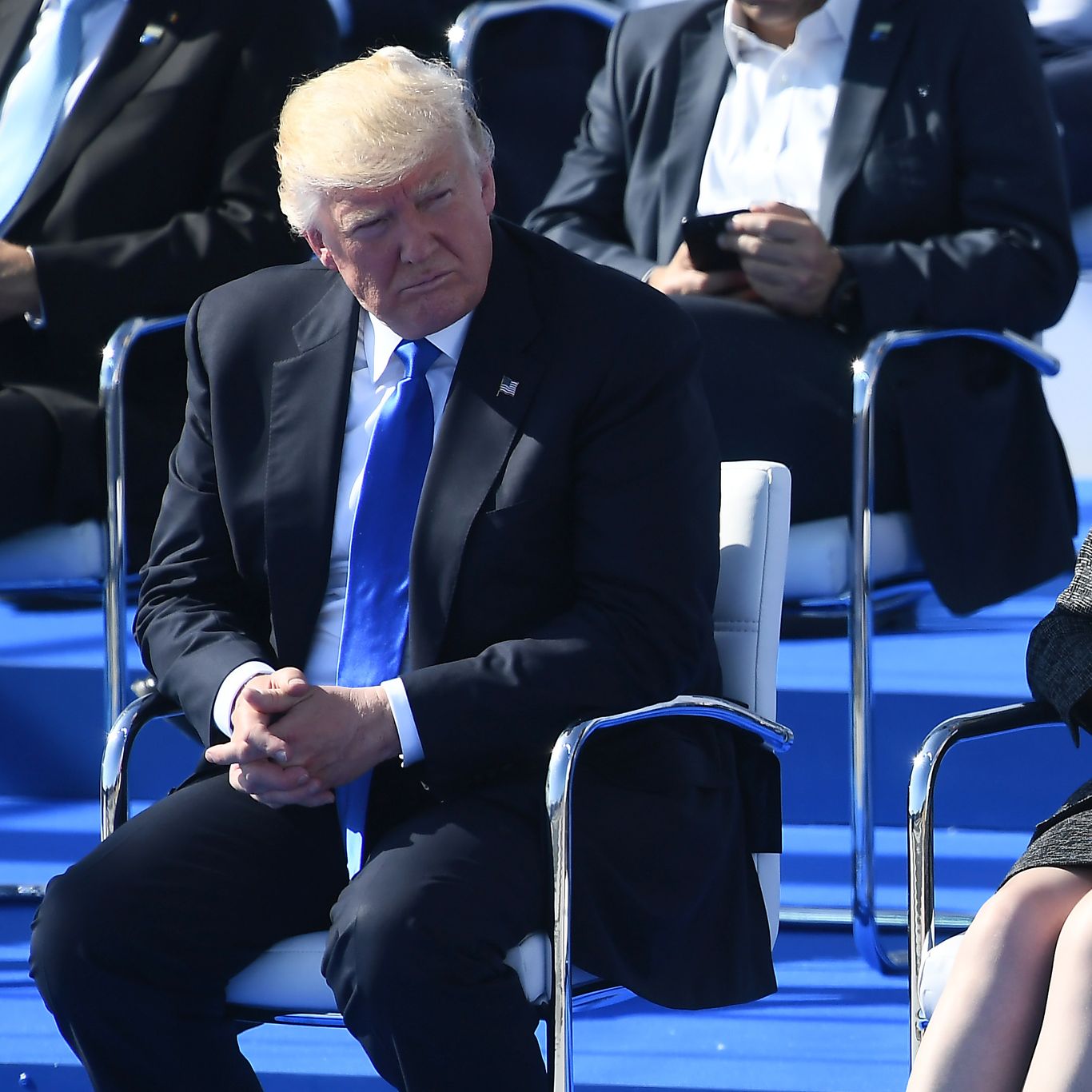
The Legal Battles That Changed the Political Conversation
One of the most defining aspects of Trump’s public life has been the number of legal challenges connected to him. Few modern political figures have faced such extensive legal scrutiny while remaining a dominant force in national politics.
During and after his presidency, Trump became involved in multiple legal cases involving allegations ranging from business practices to questions surrounding political events. These cases created historic moments in American legal and political history because they involved a former president who continued seeking public office while facing courtroom battles.
Supporters of Trump have often argued that many investigations and legal cases against him were politically motivated, describing them as attempts by opponents to weaken his movement. They argue that the legal system has been used as a political weapon.
Critics have responded that accountability applies to everyone, including powerful public figures. They argue that investigations and court proceedings are part of the normal functioning of democratic institutions and should be judged based on evidence rather than political loyalty.
The debate over Trump’s legal challenges has become one of the largest political divisions in America today, with each side interpreting the same events through very different perspectives.
The Criminal Cases and Questions of Accountability
The criminal cases involving Trump represent one of the most unusual situations in American presidential history. Never before had a former president faced criminal prosecution while remaining a central political figure.
The cases brought attention to questions that had rarely been tested before: Can a former president be prosecuted? How should courts handle cases involving political leaders? What happens when legal proceedings and elections occur at the same time?
These questions created national discussions about the relationship between law and politics. Supporters of Trump argued that the cases represented an unprecedented attack against a political opponent. Critics argued that holding powerful individuals accountable is essential to maintaining the rule of law.
The significance of these cases extends beyond Trump himself. They have forced Americans to consider how democratic institutions function when a former president becomes the subject of criminal proceedings.
The outcome of these debates will likely influence political discussions for generations.
Business Success, Controversies, and Financial Disputes
Long before entering politics, Donald Trump built a public identity around business, real estate, branding, and media appearances. For decades, he presented himself as a symbol of wealth and negotiation skills.
However, his business career also included controversies and legal disputes. Questions surrounding financial practices, business claims, and corporate behavior became part of the broader conversation about his public image.
Supporters argue that Trump’s business experience provided him with skills that helped him approach government differently from traditional politicians. They viewed him as an outsider capable of challenging established systems.
Critics argued that his business history raised questions about transparency, financial practices, and whether his approach to business translated effectively into public leadership.
These disagreements reflect a larger debate in American politics: should business success be considered evidence of leadership ability, or should public officials be judged primarily by government experience and public service?
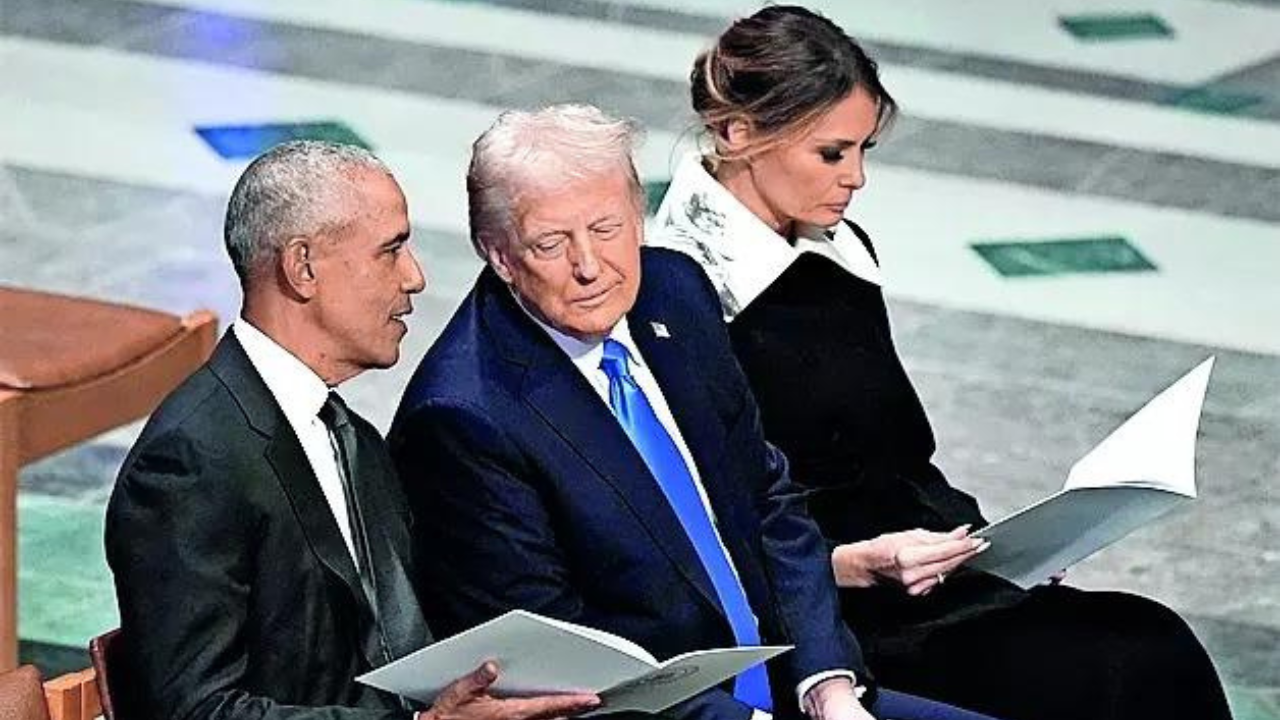
The Trump Effect on American Politics
Beyond legal issues, one of Trump’s greatest impacts has been changing how politics is communicated.
Trump transformed political messaging through direct communication, especially through rallies and social media. He bypassed traditional media structures and developed a unique relationship with supporters.
His communication style created intense loyalty among supporters, who often viewed him as a leader willing to speak directly and challenge political elites.
At the same time, critics argued that his approach increased political division and weakened traditional norms of political discussion.
The Trump era changed expectations for political candidates. Future politicians have studied his methods, from online communication strategies to campaign messaging.
Whether viewed positively or negatively, Trump permanently changed the way American politics operates.
Elections, Impeachments, and Historical Firsts
Trump’s presidency produced several moments considered historic in American political history. His two impeachments placed him among the most scrutinized presidents in the nation’s history.
Impeachment itself is a political process designed as a constitutional check on presidential power. Supporters of impeachment argued that it was necessary to hold a president accountable. Opponents argued that it represented political opposition rather than legitimate constitutional concerns.
The events surrounding Trump’s elections also became major political milestones. His campaigns demonstrated the strength of his support among voters while also highlighting deep divisions within the electorate.
His relationship with approval ratings, elections, Congress, and political institutions became a subject of extensive analysis among historians and political scientists.
The Trump presidency challenged many assumptions about American politics and forced institutions to confront situations they had never previously experienced.
The Continuing Debate Over Trump’s Legacy
Years after his first election victory, Donald Trump remains one of the most influential and controversial figures in American politics.
For supporters, he represents a movement that challenged government institutions, questioned traditional political leadership, and changed the direction of national debates.
For critics, he represents a period of political instability, legal controversy, and challenges to democratic norms.
History will continue to examine Trump’s presidency from many perspectives. Scholars will study his policies, communication style, legal battles, and impact on American society.
The ultimate assessment of any presidency usually takes decades to fully develop. Political emotions are strongest during the moment itself, but historical judgment often comes later, after time allows a broader understanding.
What remains clear is that Trump’s influence will not disappear quickly. His presidency changed American politics in ways that will continue shaping elections, institutions, and public conversations for years to come.
Because regardless of whether people view him as a revolutionary leader or a deeply controversial figure, Donald Trump represents one of the most consequential political forces of the modern era — a figure whose impact continues to define the questions America asks about power, accountability, and democracy itself.
